The forehead plays a major role in facial expression and overall appearance. As aging progresses, patients often notice deeper lines, heaviness around the brows, and a tired look—even when they feel alert. Two of the most effective treatments for foreheads concerns are Botox and a surgical brow lift. Both options refresh the upper face, restore a youthful appearance, and address signs of aging, but they do so in distinct ways.
Below is a complete, in-depth comparison between both treatments to help San Antonio patients make confident, informed decisions about their next steps.
The forehead is one of the first areas to show signs of aging because it is constantly in motion. Raising the brows, expressing emotion, reacting to sunlight, and everyday nonverbal communication all contribute to repetitive muscle movements.
Over time, this constant movement leads to:
These changes create wrinkles, sagging, and a tired appearance. The right treatment depends on whether your concerns stem from expression lines, skin laxity, muscle changes, or brow descent.
Botox has been the gold standard for non-surgical forehead rejuvenation for decades.It works by relaxing specific muscles that contract during facial expressions. This softens visible wrinkles and prevents deeper lines from forming.
Main Benefits of Botox
For younger patients or those seeking their first aesthetic treatment, Botox is often the go-to option. It also takes 10–15 minutes and requieres no anesthesia!
A brow lift, also known as a forehead lift, is designed to reposition tissues that have descended over time. While Botox addresses muscle movement, a brow lift addresses structural aging, lifting sagging brows, smoothing deeper creases, and opening the eyes.
Benefits of a Brow Lift
Unlike Botox, which temporarily relaxes muscle movement, a brow lift physically restores tissues back to a more youthful position.
The key difference between these two treatments is how they address aging:
Botox – Results in natural-looking relaxation of wrinkles and a softer, smoother forehead. Some patients enjoy a gentle brow elevation as well.
Brow Lift – Significant lifting of the brow, smoothing of deep forehead lines, and a noticeably more open and refreshed appearance around the eyes.
If your goal is dramatic improvement, a brow lift is more appropriate. If you want more subtle enhancement, Botox may be the better choice.
Because Botox is temporary, patients typically repeat treatment 3–4 times per year. While the cost per session is lower, maintenance adds up over time.
A brow lift has a higher upfront cost, but the results last dramatically longer, often more than a decade. For many people, it becomes the more economical long-term choice.
Forehead rejuvenation is not one-size-fits-all. Whether you choose Botox or a brow lift, the goal is to achieve a fresh, youthful, natural appearance that feels authentically you.
Schedule a consultation with Dr. Stallworth at Texas Plastic Surgery to determine the right approach for your facial anatomy and aesthetic goals.
Q: How long does Botox last on the forehead compared to a brow lift?
Botox typically lasts 3-4 months on the forehead before the muscle activity returns and wrinkles reappear. Most patients schedule maintenance treatments three to four times per year to keep results consistent. A brow lift, by contrast, provides results that last 10 years or longer for most patients. While there’s more upfront investment in time and recovery, the longevity makes it appealing for those looking for a lasting solution.
Q: Can Botox give me a brow lift effect without surgery?
Botox can create a subtle lift of 1-2 millimeters by relaxing the muscles that pull the brows downward. This allows the elevator muscles to work unopposed, gently raising the brow position. The effect works best for patients with mild brow descent and is often called a “Botox brow lift.” It won’t produce dramatic lifting and can’t address significant sagging or skin laxity—that requires surgical intervention.
Q: At what age should I consider a brow lift instead of Botox?
Age alone doesn’t determine which treatment is right. Some patients in their 60s do beautifully with Botox, while others in their 40s have structural changes that benefit from surgery. The deciding factors are how much your brow position has descended, whether you have significant skin laxity, and how deep your wrinkles are at rest. A consultation helps determine which approach matches your current facial anatomy.
Q: Can I combine Botox with a brow lift?
Yes—many patients combine both treatments for optimal results. A brow lift addresses the structural issues like descended tissues and excess skin, while Botox maintains the smooth forehead by preventing new expression lines from forming. Some surgeons recommend waiting a few months after a brow lift before starting Botox, allowing everything to settle into its new position first.
Q: Is a brow lift painful? What’s the recovery like?
During the procedure, you’re under anesthesia and won’t feel anything. Afterward, most patients describe discomfort rather than significant pain, which is well-managed with prescribed medication. Swelling and bruising typically peak around days 2-3 and resolve over 7-10 days. Most patients return to non-strenuous work within a week, though full activity restrictions lift around 2-3 weeks post-procedure.
Q: Will people be able to tell I had a brow lift?
When performed well, a brow lift looks natural—not “done.” The goal is restoring a more youthful position, not creating an artificially surprised expression. Dr. Stallworth focuses on achieving results that look like a refreshed version of you, not like you’ve had obvious work. Most patients hear comments like “you look well-rested” rather than “did you have surgery?”
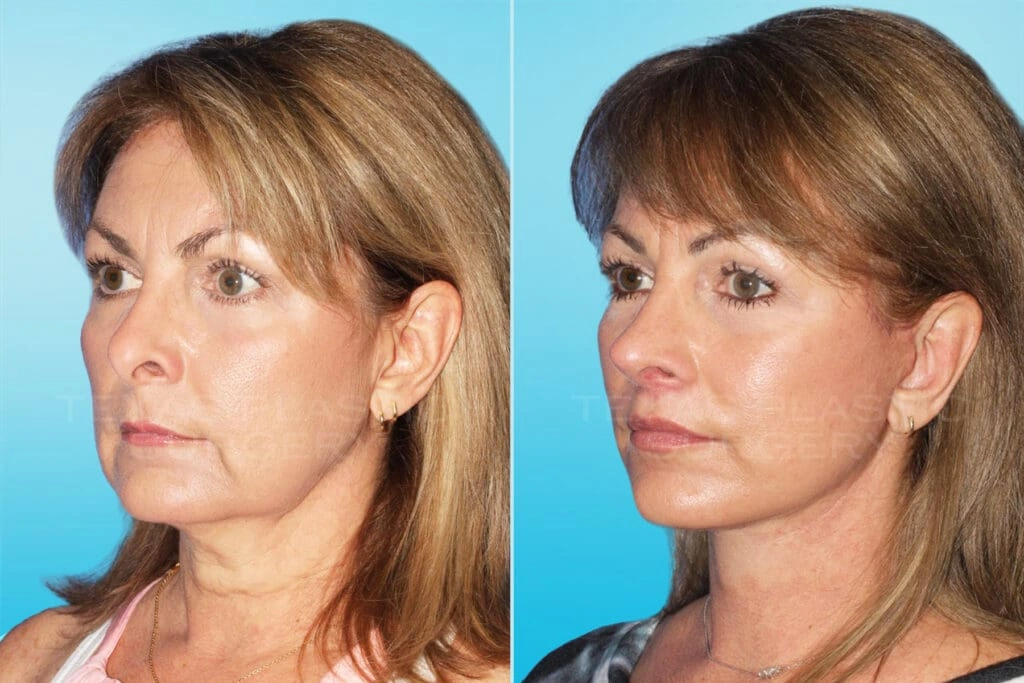
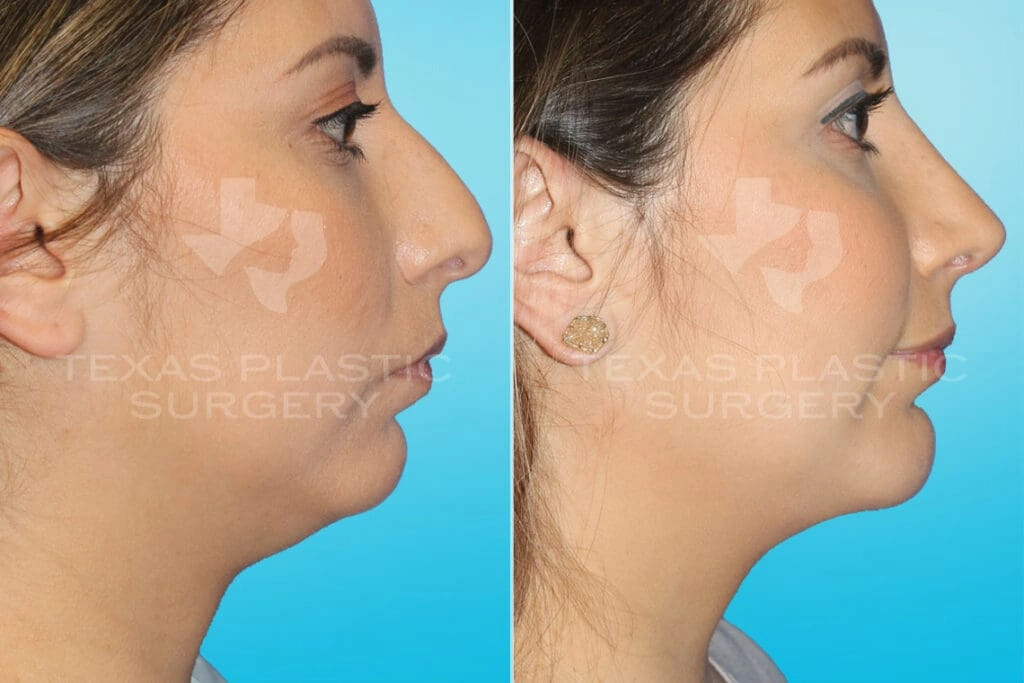
View Before & Afters
Contact us Today

