
Skin Cancer/ Mohs Reconstruction

in San Antonio, Texas

Expert Facial Restoration

Skin Cancer/ Mohs Reconstruction Introduction

For many patients, the diagnosis of skin cancer comes with two concerns at the same time. The first is understandably focused on removing the cancer itself. The second often follows shortly afterward: “What will I look like after treatment?” This question is especially common when skin cancer develops on highly visible areas such as the nose, eyelids, lips, cheeks, ears, or forehead.

Mohs surgery is one of the most effective methods of removing certain types of skin cancer while preserving as much healthy tissue as possible. However, once the cancer has been removed, reconstruction is often necessary to restore both appearance and function. At Texas Plastic Surgery in San Antonio, Dr. Christian Stallworth specializes in facial reconstruction following skin cancer removal, helping patients rebuild areas affected by Mohs surgery while preserving important facial structures and maintaining natural facial harmony whenever possible.

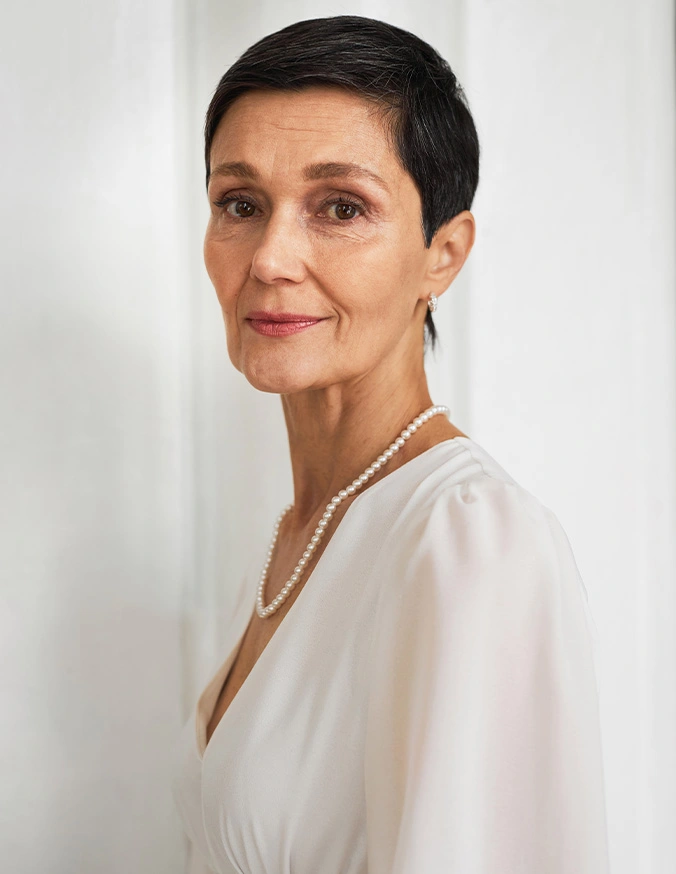
Elegant woman with short dark hair wearing white flowing blouse with gold necklace in professional portrait - Mohs reconstrucion in San Antonio, TX

What is Skin Cancer/Mohs Reconstruction?

Skin cancer and Mohs reconstruction refer to the surgical restoration of tissue after skin cancer removal. After a dermatologist or Mohs surgeon removes the cancerous tissue, a defect may remain that varies significantly in size, depth, and complexity. While some wounds are small enough to heal on their own, others require sophisticated reconstructive techniques to restore appearance, protect function, and support healing.

Facial reconstruction following Mohs surgery is particularly complex because many areas of the face serve important functional roles. The eyelids protect the eyes, the nose supports breathing, the lips contribute to speech and eating, and the ears help maintain facial symmetry and appearance. Reconstruction must therefore focus on much more than simply closing a wound.

Depending on the size and location of the defect, Dr. Stallworth or Dr. Rokosz may utilize techniques such as local tissue rearrangement, skin flaps, cartilage grafts, skin grafting, or more advanced reconstructive procedures. 

Who Are the Best Candidates for Skin Cancer/Mohs Reconstruction?

Unlike many procedures performed in facial plastic surgery, candidacy for Mohs reconstruction is not typically based on cosmetic goals. Instead, reconstruction becomes necessary when skin cancer removal creates a defect that would benefit from surgical repair to optimize healing, function, or appearance. Patients with defects involving the nose, eyelids, lips, cheeks, forehead, scalp, or ears frequently benefit from specialized reconstructive expertise because these areas contain important anatomical structures that influence both appearance and function. 

Many of our San Antonio patients also fall into one or more of the following categories:

  • Patients undergoing Mohs surgery for skin cancer removal
  • Individuals with facial defects following skin cancer treatment
  • Patients requiring restoration of function and appearance
  • Individuals with defects involving complex facial structures
  • Patients seeking specialized facial reconstructive care

What Are the Benefits of Skin Cancer/Mohs Reconstruction?

Following successful cancer removal, reconstruction plays an important role in restoring both form and function because it:

  • Restores appearance after skin cancer removal
  • Preserve important facial functions such as breathing, blinking, eating, and speaking
  • Helps minimize visible deformity and tissue distortion
  • Supports proper wound healing and tissue stability
  • Improves confidence and quality of life following treatment

Combining My Skin Cancer/Mohs Reconstruction with Other Procedures

Reconstruction following skin cancer removal is often focused on restoring the area affected by the cancer itself. However, some patients require additional reconstructive procedures to address tissue loss, improve healing, or refine the final result. In certain cases, combining procedures allows your surgeon to address both functional concerns and aesthetic restoration within a comprehensive treatment plan.

Although skin cancer removal and facial trauma arise from different circumstances, they often create similar reconstructive challenges. Both can result in tissue loss, distortion of normal facial anatomy, and disruption of important functional structures. Patients who have experienced previous facial injuries may require additional reconstructive planning to account for scar tissue, altered anatomy, or prior surgical repairs.

Dr Stallworth MD shaking hands with female client in wheelchair during office meeting - Facelift in San Antonio, TX

How to Begin Your Skin Cancer/Mohs Reconstruction Journey

For many patients, the reconstructive process begins shortly after a skin cancer diagnosis. Once the treatment plan for cancer removal has been established, reconstruction becomes the next important step in restoring the affected area and is typically discussed through a consultation. This appointment also provides an opportunity to discuss timing, recovery expectations, surgical options, and potential outcomes. Our San Antonio patients often find reassurance in understanding that reconstruction is not simply about closing a wound; it is about restoring the face as thoughtfully as possible while prioritizing long-term health and function.

  • You can expect your consultation to involve the following:
  • Review your diagnosis and treatment history
  • Evaluate the location and extent of the defect
  • Discuss reconstructive options and surgical techniques
  • Review recovery expectations and timelines
  • Develop a personalized reconstruction plan

What to Expect on the Day of Skin Cancer/Mohs Reconstruction Surgery

The duration of reconstruction varies with the size and complexity of the defect being treated. In some cases, reconstruction is performed immediately following Mohs surgery. In others, it may be scheduled separately after the final margins have been confirmed.

Before surgery, either Dr. Stallworth or Dr. Rokosz will carefully evaluate the defect and review the reconstructive plan. Depending on the location and complexity of the reconstruction, treatment may be performed under local anesthesia, sedation, or general anesthesia.

The reconstruction itself focuses on restoring both appearance and function. Whenever possible, nearby tissue is used to recreate natural contours and preserve facial landmarks. Throughout the procedure, special attention is paid to maintaining symmetry, protecting surrounding structures, and minimizing distortion of adjacent tissues.

After surgery, providers give detailed instructions on wound care, activity restrictions, and follow-up appointments to support healing and recovery.

Dark blue textured background with subtle grunge overlay and worn edges
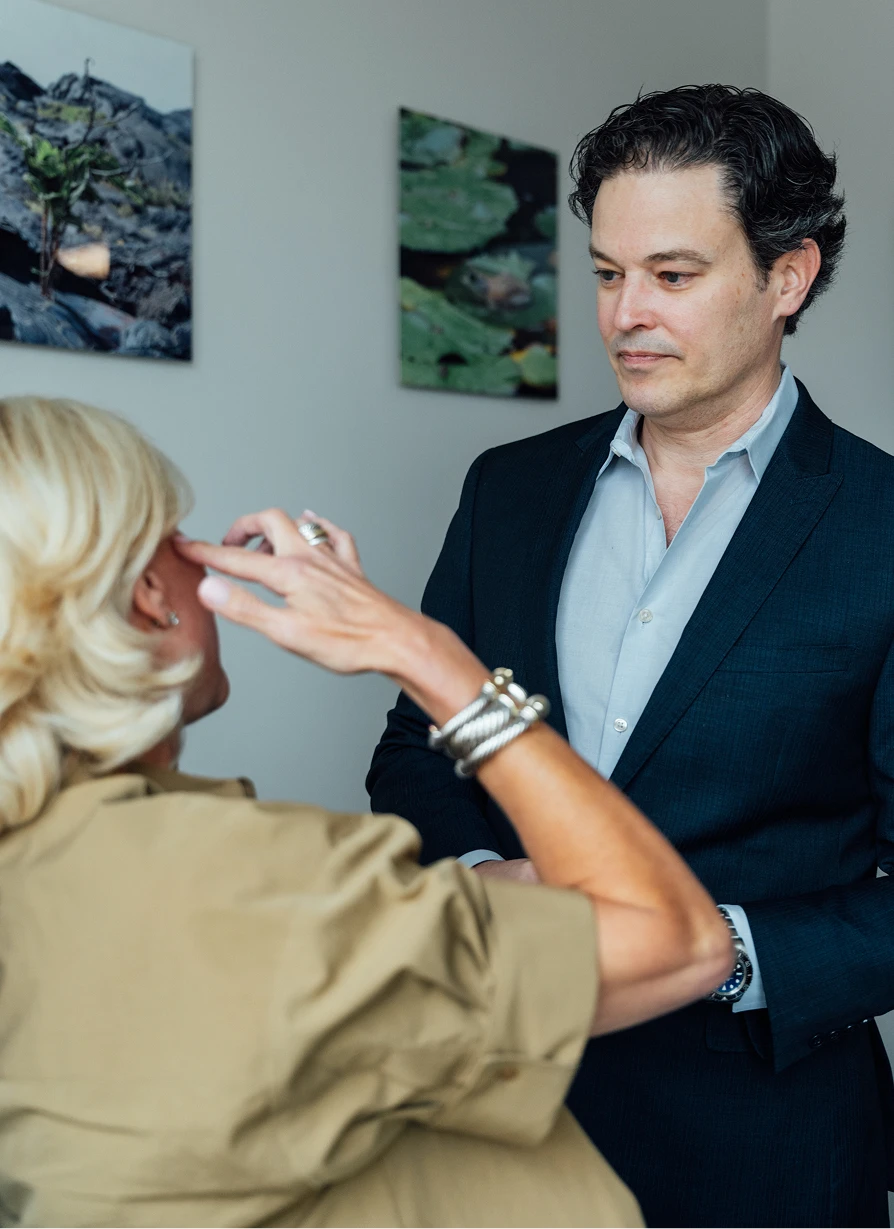
Dr Stallworth MD consultating blonde female client during session in professional medical office setting - Doctor in San Antonio, TX

Skin Cancer/Mohs Reconstruction Recovery

Your Guide to Post-Skin Cancer/Mohs Reconstruction Care

Recovery following Mohs reconstruction varies considerably because no two defects are exactly alike. A small reconstruction involving a limited area of skin will heal differently from a more complex repair involving multiple layers of tissue, cartilage, or important facial structures. For this reason, recovery timelines are highly individualized.

During the first several days, patients commonly experience swelling, bruising, tenderness, and temporary changes in appearance around the surgical site. These effects are a normal part of the healing process and generally improve steadily over time. Depending on the reconstruction performed, bandages, wound care instructions, and activity restrictions may be necessary during the earliest stages of recovery. Significant improvement often occurs over the weeks and months following reconstruction.

logo icon divider

How Much Does Skin Cancer/Mohs Reconstruction Cost in San Antonio?

The cost of skin cancer/Mohs reconstruction in San Antonio varies significantly depending on the complexity of the defect, the reconstructive technique required, anesthesia fees, facility costs, and whether multiple procedures are necessary to achieve the desired result. Small defects may require relatively straightforward reconstruction, while larger or more complex defects involving the nose, eyelids, lips, or ears may require advanced reconstructive techniques.

Unlike elective cosmetic procedures, Mohs reconstruction is often considered medically necessary following skin cancer removal. As a result, insurance may cover portions of treatment depending on the diagnosis, procedure performed, and individual insurance plan. Our team can help review coverage details and discuss anticipated costs before treatment.

Following your consultation, your surgeon will develop a personalized reconstructive plan and provide a detailed explanation of the recommended procedures and associated expenses.

Why Choose Dr. Stallworth?

Facial reconstruction following skin cancer removal requires a unique combination of reconstructive expertise, aesthetic judgment, and a thorough understanding of facial anatomy. Dr. Christian Stallworth specializes exclusively in cosmetic and reconstructive procedures of the face, head, and neck. His focused training allows him to address the complex challenges that often accompany Mohs reconstruction, particularly in highly visible and functionally important areas such as the nose, eyelids, lips, cheeks, and ears.

Dr. Stallworth is certified by the American Board of Facial Plastic and Reconstructive Surgery (ABFPRS) and the American Board of Otolaryngology (ABO). He is also a member of the American Academy of Otolaryngology – Head and Neck Surgery (AAO-HNS), the American Academy of Facial Plastic and Reconstructive Surgery (AAFPRS), and the Texas Medical Association (TMA). After completing his medical education and residency training at the University of Texas Health Science Center at San Antonio, he pursued advanced fellowship training in Facial Plastic and Reconstructive Surgery at Oregon Health & Science University.

In addition to his private practice, Dr. Stallworth serves as a Clinical Associate Professor at UT Health San Antonio and has extensive experience caring for patients requiring both cosmetic and complex facial reconstruction. His approach prioritizes function, symmetry, tissue preservation, and long-term outcomes.

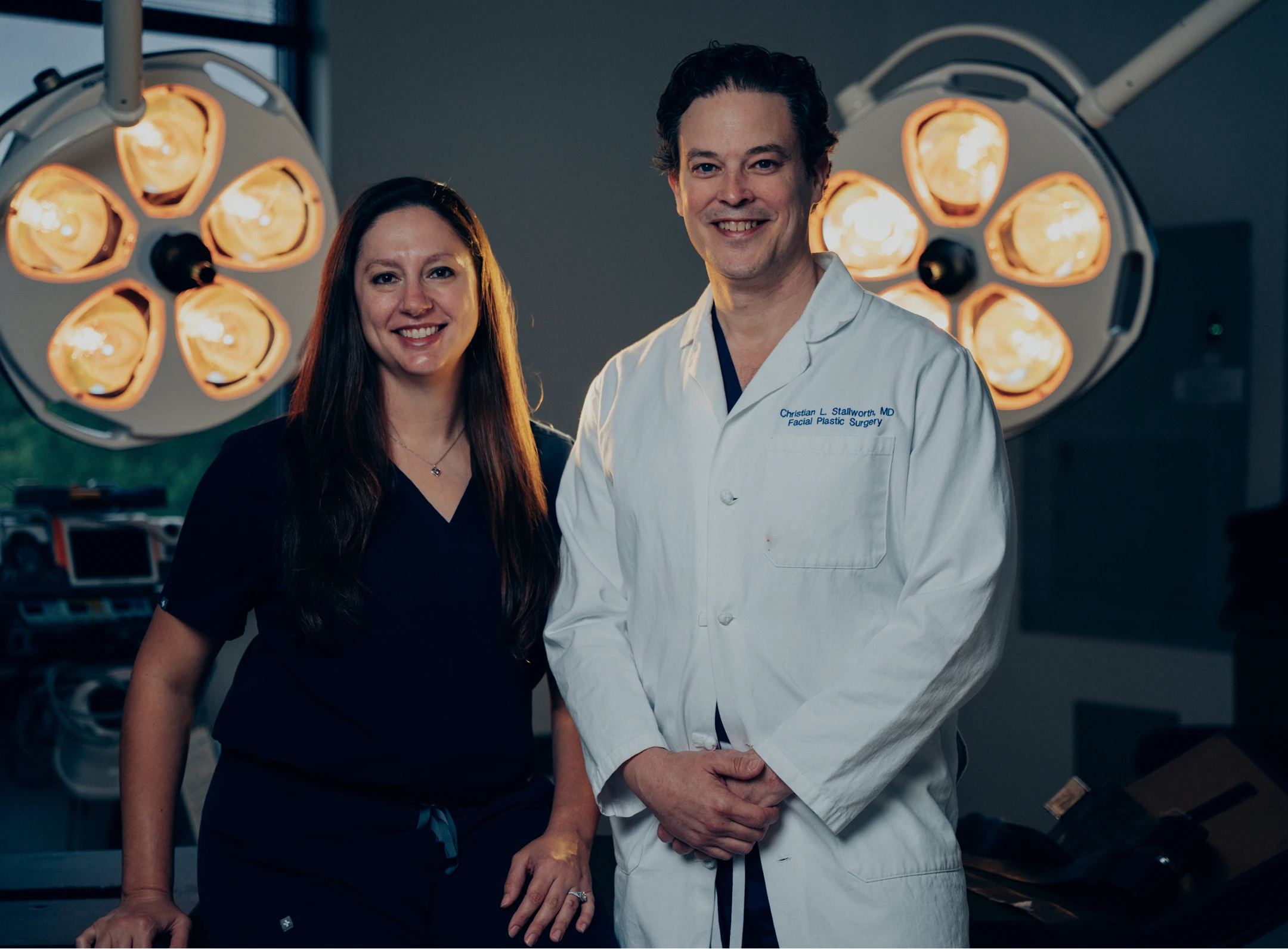
Dr Stallworth MD standing in operating room with surgical lights overhead - in San Antonio, TX

Skin Cancer/ Mohs Reconstruction FAQ’S

  • Dr. Stallworth is truly exceptional.

    I trusted him with my facelift, and I couldn’t be happier with the results. He completely refreshed my appearance, my face looks lifted, youthful, and naturally defined.

    Eman Haswah

  • best patient care by you and the team!!!

    You are the BEST!
    Professional, caring, and best patient care by you and the team!!!

    Gracie Shue

  • “highly recommend her for any plastic surgery you may need”

    Dr Rokosz is one classy person!

    She listens patiently, tells you what you need to hear and does not waver in her stance on things. I asked her opinion on outcome to expect for a procedure i was entertaining to get and I was disappointed in what she said. She understood that it wasn’t what I wanted to hear but she held her ground and was empathetic. It’s hard to want one thing but reality is not always the outcome we want!

    She never makes you feel pressured into any kind of decision and is supportive in helping you figure out what will be best for you! I just love her and highly recommend her for any plastic surgery you may need. I am 3 weeks PO from an arm lift and breast lift …both are doing quite well! As i said ..one classy lady!!

    Melanie Ferguson Strange

Contact Us Today

Schedule Your Consultation

To learn more about skin cancer and Mohs reconstruction in San Antonio, contact Texas Plastic Surgery at (210) 997-3223 to schedule your consultation.