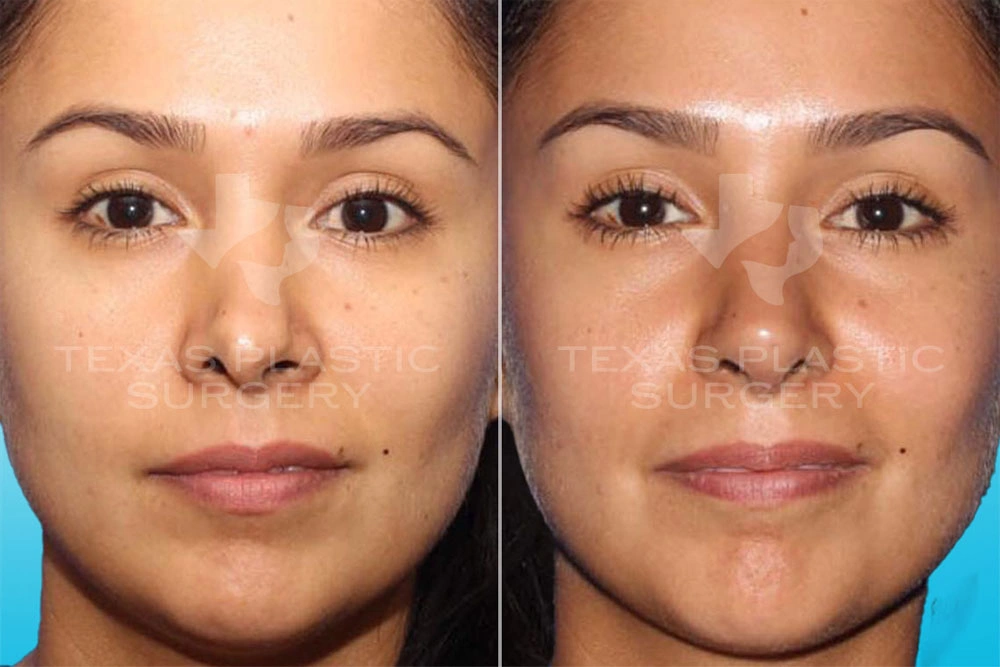
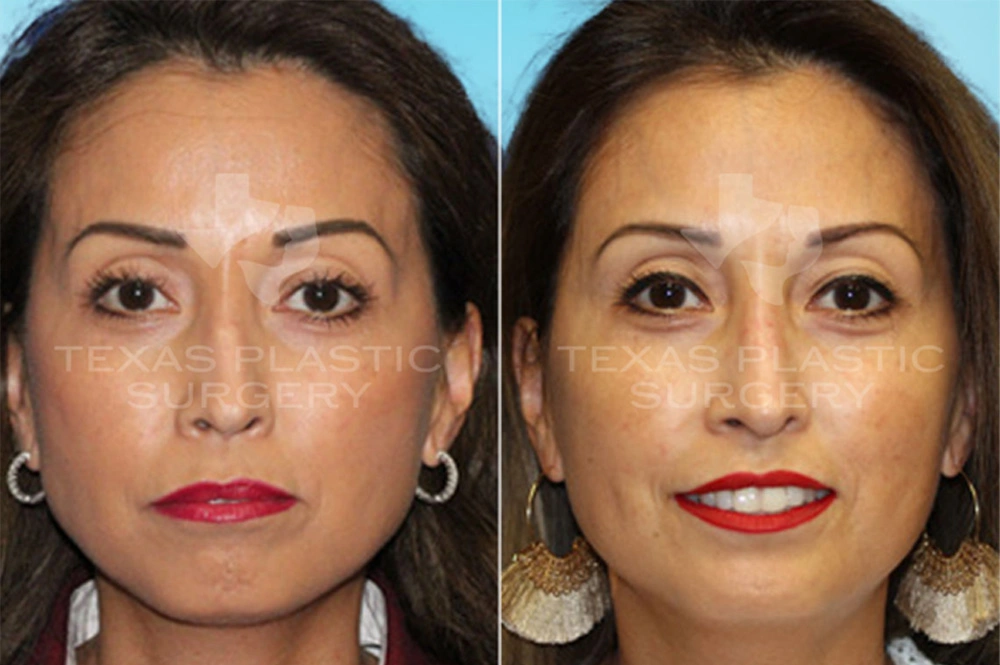
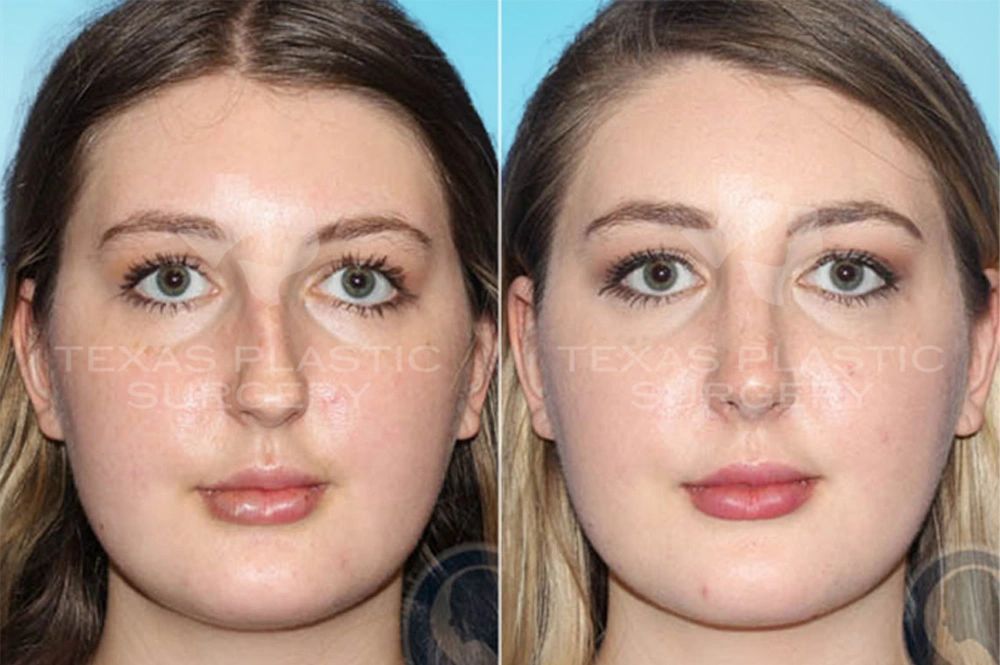
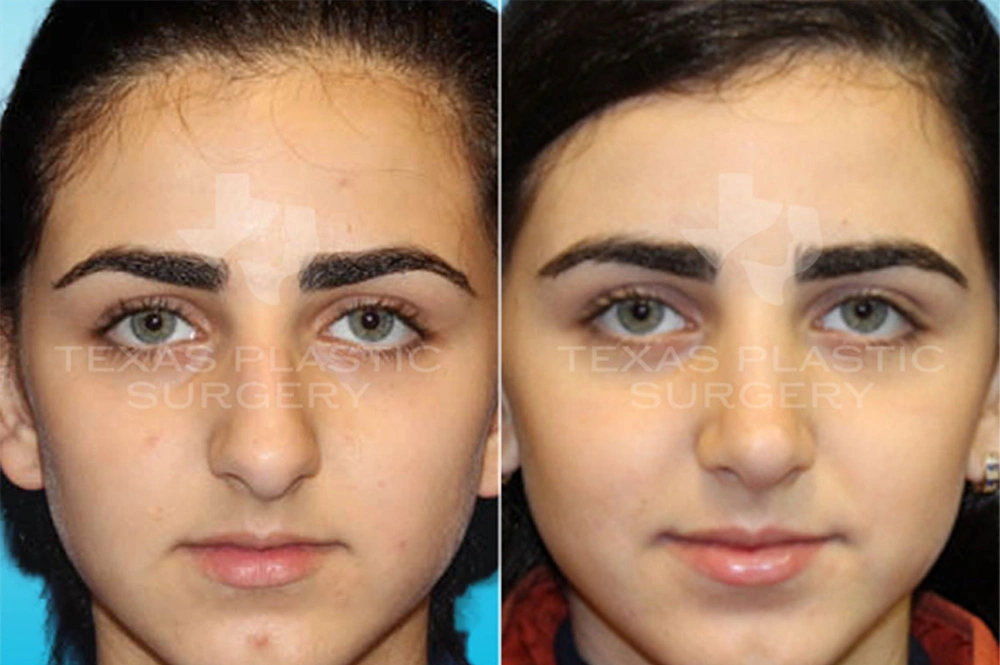
There are special circumstances and considerations for nasal surgery at different ages of life. In general, nasal surgery is avoided in pediatric patients. Surgery itself is traumatic, and manipulation of the pediatric nose can have deleterious effects on nasal growth – having an impact on bone, cartilage, and the skin (soft tissue envelope). Even so, there are specific circumstances where nasal surgery cannot be avoided. These include instances when children are born with congenital anomalies like a cleft lip and nose or in cases of certain growths and tumors found in infants and young children. In addition, traumatic injury or other factors that affect nasal growth can lead to complete obstruction of nasal breathing and distortion of nasal appearance. In these cases, surgery may be the only option to reconstruct the nose and allow a child to breathe.
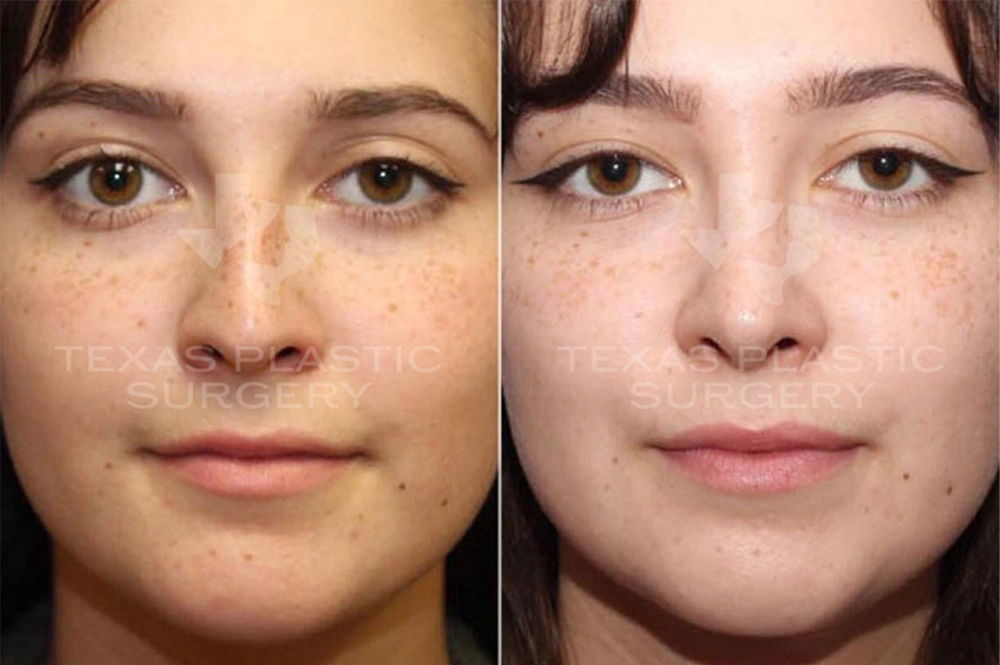
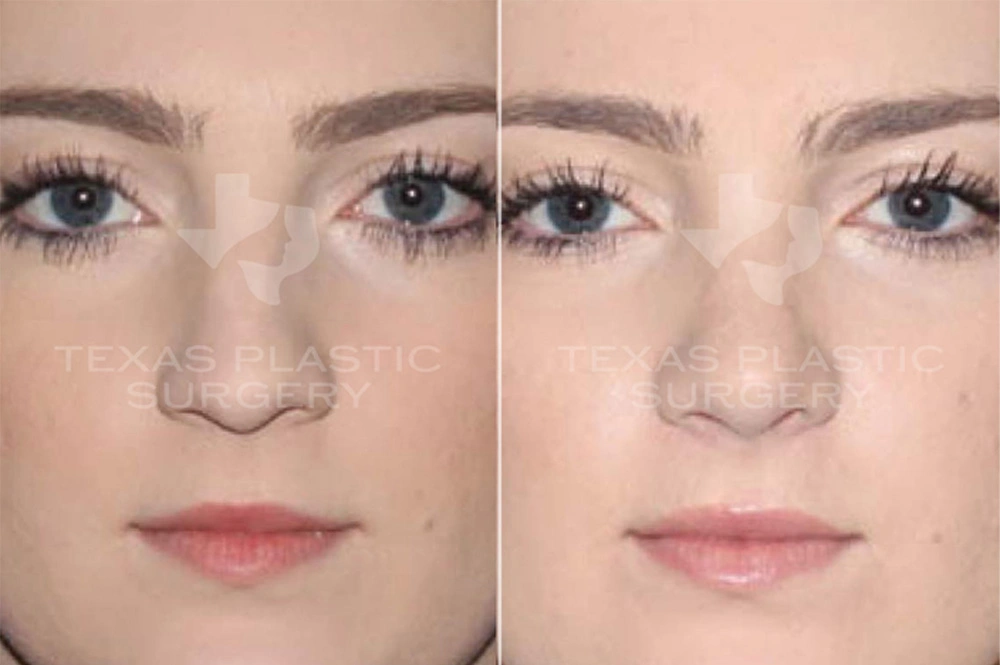
More commonly, young patients present with an interest in making cosmetic changes to their nose. Despite good health and appropriate motivation, though, young men and many women may not be old enough to undergo nasal reshaping surgery. Ideally, rhinoplasty is not undertaken until facial and nasal growth has completed. In general, nasal growth in young women is typically complete between fifteen (15) and seventeen (17) years of age. For young men, this may be at a later age, between sixteen (16) and eighteen (18) years old. These ages are only guidelines and may vary greatly from person to person. Ultimately, Dr. Stallworth will need to meet with a patient to determine their candidacy for surgery.
Rhinoplasty is not limited to younger patients; it is possible at any age. In the more senior patient, though, new considerations must be taken. There is some evidence that nasal cartilage growth may continue throughout adulthood, leading to an increase in nasal size. More often, though, the suspension ligaments of the nose weaken with time, leading to a drooping of the nasal tip and an apparent lengthening of the nose. This can not only make the nose look less appealing but also negatively impact breathing. Patients experiencing these unwanted changes are also good candidates for rhinoplasty to help restore their nasal appearance and function, and in selected severe cases, this may involve nasal reconstruction to restore both form and function.