Bruising is one of the most common concerns patients have after cosmetic surgery. While bruising can vary depending on the procedure, the patient’s anatomy, medications, and recovery process, it is usually a normal and temporary part of healing.
Understanding what to expect during recovery can help patients feel more comfortable and confident throughout the healing process. Below are answers to some of the most common questions patients ask about bruising and recovery after cosmetic procedures.
Bruising is a common side effect of cosmetic surgery. It occurs when small blood vessels under the skin are damaged during the procedure. The blood leaks into surrounding tissues, causing discoloration. Bruising is a natural part of the healing process and usually subsides within a few weeks.
The duration of bruising varies depending on the procedure and individual healing factors. Typically, bruising can last from one to three weeks. For surgeries like facelifts and eyelid surgery, bruising may be more noticeable but should gradually fade over time. Using cold compresses and keeping your head elevated can help reduce bruising.
While bruising can’t be entirely prevented, there are steps you can take to minimize it. Pre-surgery, avoid medications and supplements that can thin your blood, such as aspirin, ibuprofen, and certain herbal supplements. Your surgeon will provide a comprehensive list of what to avoid. Post-surgery, follow your surgeon’s instructions carefully to promote optimal healing.
Managing bruising effectively can speed up your recovery. Here are some tips:
Bruising is usually not a cause for concern. However, if you experience severe pain, increased swelling, or signs of infection (such as redness or discharge), contact your surgeon immediately. These could indicate complications that need prompt attention.
Bruising is usually not a cause for concern. However, if you experience severe pain, increased swelling, or signs of infection (such as redness or discharge), contact your surgeon immediately. These could indicate complications that need prompt attention.
Yes, makeup can be used to cover bruising, but it’s important to wait until your surgeon gives you the green light. Typically, you can start using makeup about one to two weeks after surgery, depending on the procedure. When applying makeup, use gentle, non-comedogenic products and avoid putting too much pressure on the affected areas. Mineral-based makeup can be particularly effective at concealing bruises while allowing your skin to breathe during recovery.
Some patients naturally bruise more easily than others due to genetics, skin thickness, circulation, medications, supplements, or underlying medical conditions. Procedures involving delicate facial tissues or extensive manipulation may also result in more noticeable bruising.
Yes. Certain supplements and medications can increase bleeding and bruising risk before surgery. Fish oil, vitamin E, aspirin, ibuprofen, and some herbal supplements may contribute to increased bruising. Patients should always follow their surgeon’s pre-operative instructions carefully.
Many patients use arnica and bromelain supplements during recovery to help support healing and reduce bruising. While individual results vary, some patients report improvement in swelling and discoloration when these supplements are used as directed by their surgeon.
While bruising is normal after surgery, patients should contact their surgeon if bruising rapidly worsens, becomes extremely painful, or is associated with significant swelling, bleeding, fever, or changes in skin color.
Days 1-3: Bruising and swelling are typically most noticeable during the first few days after surgery.
Week 1: Discoloration may begin changing from dark purple or blue tones to green or yellow shades as the body continues healing.
Weeks 2-3: Most visible bruising has significantly improved for many patients, although minor discoloration may still remain.
Tips for Supporting Recovery
At Texas Plastic Surgery, Dr. Stallworth and team are committed to ensuring you have a smooth and informed recovery. If you have any further questions, don’t hesitate to reach out to our experienced team. For more detailed information on specific procedures, visit our procedure pages.
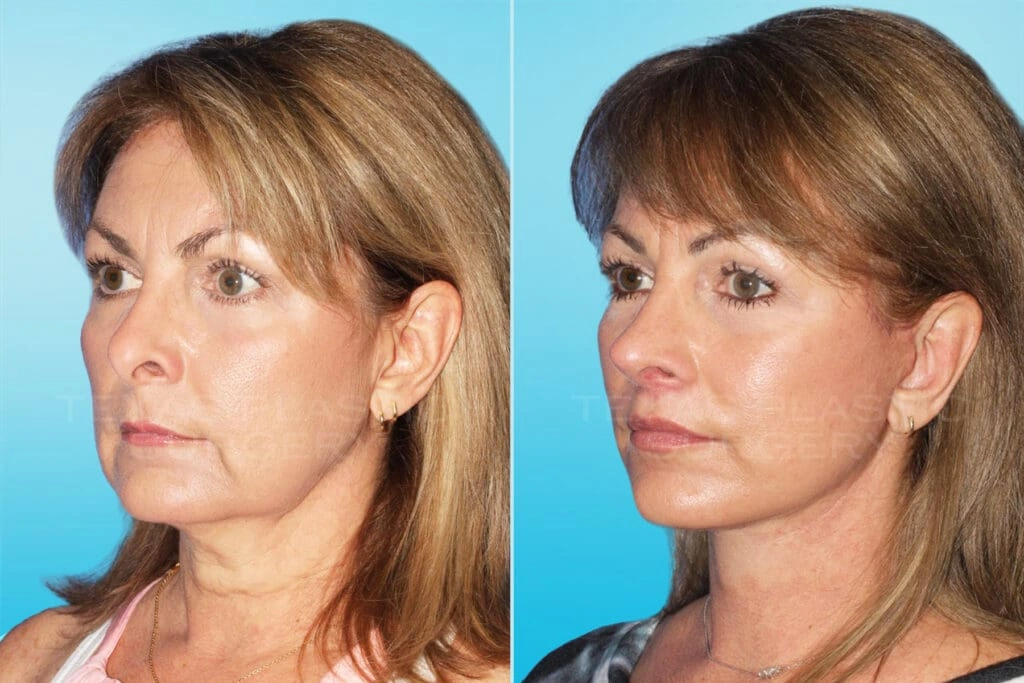
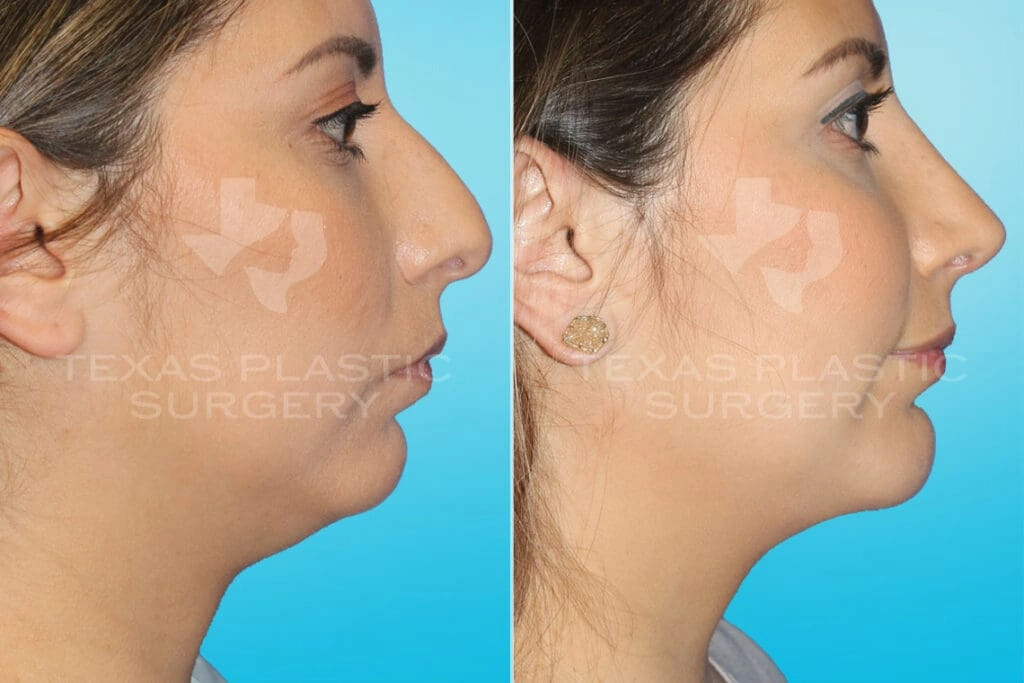
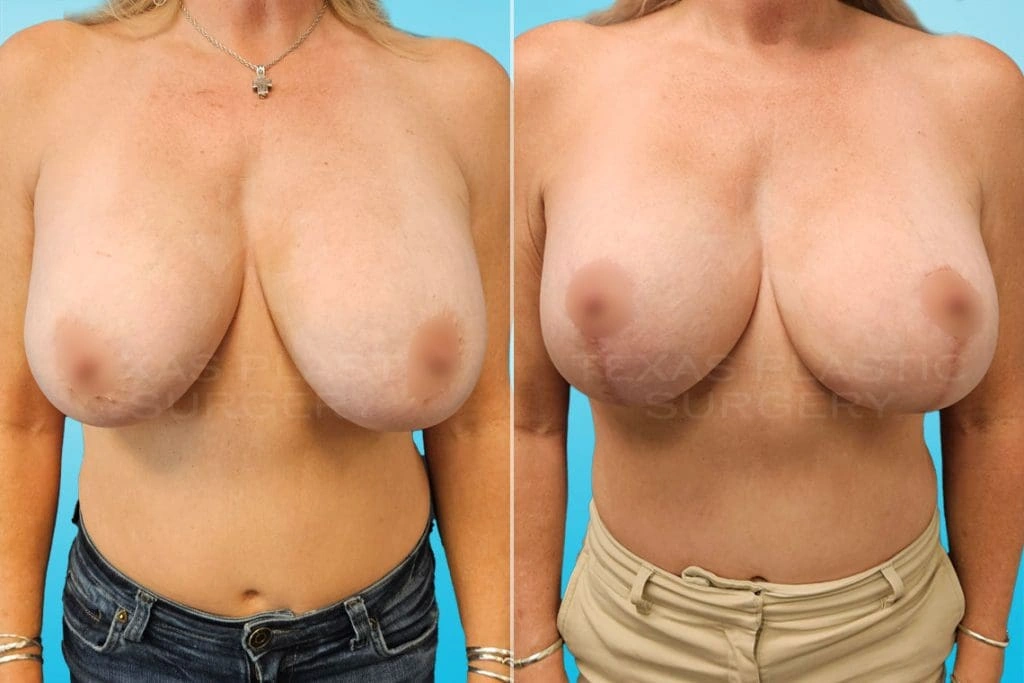
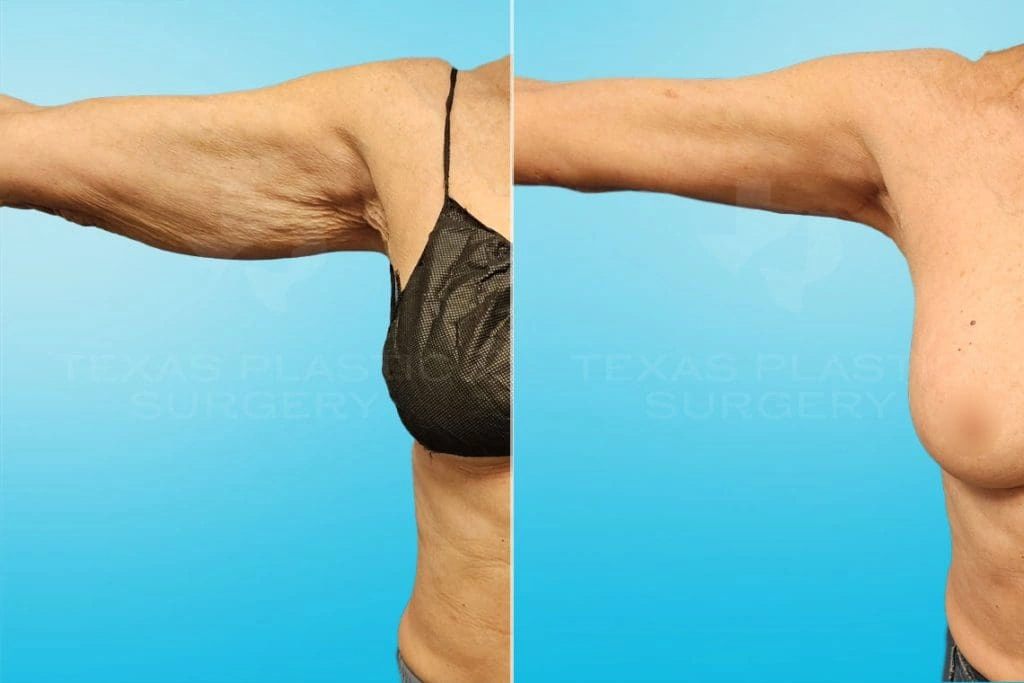
View Before & Afters
Contact us Today

