A facelift is supposed to make you feel like the best version of yourself: refreshed, confident, and comfortable in your own skin. Yet for a small but significant number of patients, the first facelift doesn’t fully deliver what they hoped for. Whether it’s lingering sagging, visible scarring, asymmetry, or an unnatural look, revision facelift surgery offers a second chance to get it right.
If you’re living with results that never felt quite right, you’re not alone, and more importantly, you are not out of options. A revision facelift in San Antonio gives patients the opportunity to restore balance, softness, and confidence after a disappointing first procedure.
A revision facelift, also called a secondary facelift, is a corrective procedure performed after a previous facelift has healed but left behind aesthetic or structural concerns.
Unlike a first-time facelift, revision surgery must work with altered anatomy. The skin, muscles, and connective tissues have already been cut, tightened, or repositioned. Scar tissue may have formed. Blood supply may be different. Because of this, facelift revision surgery requires a much higher level of technical and artistic skill than a primary facelift.
A secondary facelift in Texas may be performed to:
The goal is not to start over but to refine, rebalance, and restore what should have been achieved the first time.
When a facelift doesn’t meet expectations, the emotional impact can be profound. Many patients describe feeling disconnected from their reflection. Instead of seeing a younger version of themselves, they see something unfamiliar, or worse, something that draws unwanted attention.
This is why revision surgery is not simply treated as “another facelift.” The surgeon must navigate:
Not every facial plastic surgeon is qualified to perform a revision facelift in San Antonio. Advanced training in deep-plane lifting, SMAS correction, and scar management is critical. Dr. Stallworth at Texas Plastic Surgery, approaches revision cases with precision, patience, and surgical artistry, allowing subtle improvements that restore harmony rather than overcorrect.
Unlike primary facelifts, revision surgery must be highly individualized, no two faces or past procedures are the same.
Your consultation will include:
Many patients pursue revision surgery not for others, but for themselves.
Still, confidence in your appearance affects how you feel in romantic relationships. A face that looks tired, uneven, or unnatural can subtly impact how you present yourself.
A revision facelift can help you feel comfortable being photographed again and reconnect with your self-image
A well-executed revision facelift doesn’t make you look different. It makes you look right! It can:
If you’ve been unhappy with a previous facelift, you don’t have to live with it. A revision facelift in San Antonio offers a second chance: one built on experience, expertise, and a deep understanding of what patients truly want: to feel like themselves again. Now is the perfect time to take the next step. Schedule a consultation.
Q1: What is a revision facelift?
A revision facelift — sometimes called a secondary facelift — is a corrective procedure done after a previous facelift has healed but left behind concerns like sagging, visible scarring, asymmetry, or an unnatural appearance. It requires working with altered anatomy, including scar tissue and previously repositioned muscles, which makes it more technically demanding than a first-time facelift.
Q2: How long should I wait after my first facelift before getting a revision?
Most surgeons recommend waiting at least 6 to 12 months after your initial facelift before pursuing revision surgery. This gives your tissues time to fully heal and settle, so your surgeon can accurately assess what needs correction. In some cases, waiting longer may be necessary depending on how your skin and scar tissue have responded.
Q3: What issues can a revision facelift correct?
A revision facelift can address a range of concerns from a previous procedure, including sagging that returned too quickly, uneven or pulled features, visible or widened scars, an overly tight or “windswept” appearance, loss of natural facial contours, and asymmetry between the two sides of the face.
Q4: Is a revision facelift more complicated than a first-time facelift?
Yes. Revision facelifts are considered more complex because the surgeon must work with scar tissue, thinner skin, previously repositioned muscles, and potentially altered blood supply. This is why choosing a board-certified facial plastic surgeon with specific experience in revision cases matters so much. Not every surgeon who performs primary facelifts has the training to handle revisions.
Q5: What makes Dr. Stallworth qualified to perform revision facelifts in San Antonio?
Dr. Christian Stallworth is a board-certified facial plastic and reconstructive surgeon with advanced training in deep-plane lifting techniques, SMAS correction, and scar management. His background in both aesthetic and reconstructive facial surgery gives him the technical skill and artistic eye needed to navigate the complexities of revision cases while delivering natural-looking results.
Q6: What should I expect during a revision facelift consultation?
Your consultation will include a full review of your prior surgical history, a physical evaluation of your skin, muscle, and scar tissue, and an honest discussion of what results are realistically achievable. Dr. Stallworth will develop a personalized surgical plan based on your specific anatomy and goals — no two revision cases are the same.
Q7: How long is recovery from a revision facelift?
Recovery timelines vary depending on the extent of the revision, but most patients can expect initial swelling and bruising to subside within two to three weeks. Full results typically become visible over the following months as the tissues settle into their new position. Dr. Stallworth provides detailed aftercare instructions tailored to San Antonio’s climate and your individual healing process.
Q8: Can a revision facelift look natural?
Absolutely. The whole point of a well-executed revision facelift is to restore natural facial balance, not to create a “done” look. Dr. Stallworth focuses on subtle improvements that bring harmony back to your features — smoothing the jawline, correcting asymmetry, softening scars, and returning natural contours so you look like yourself again.
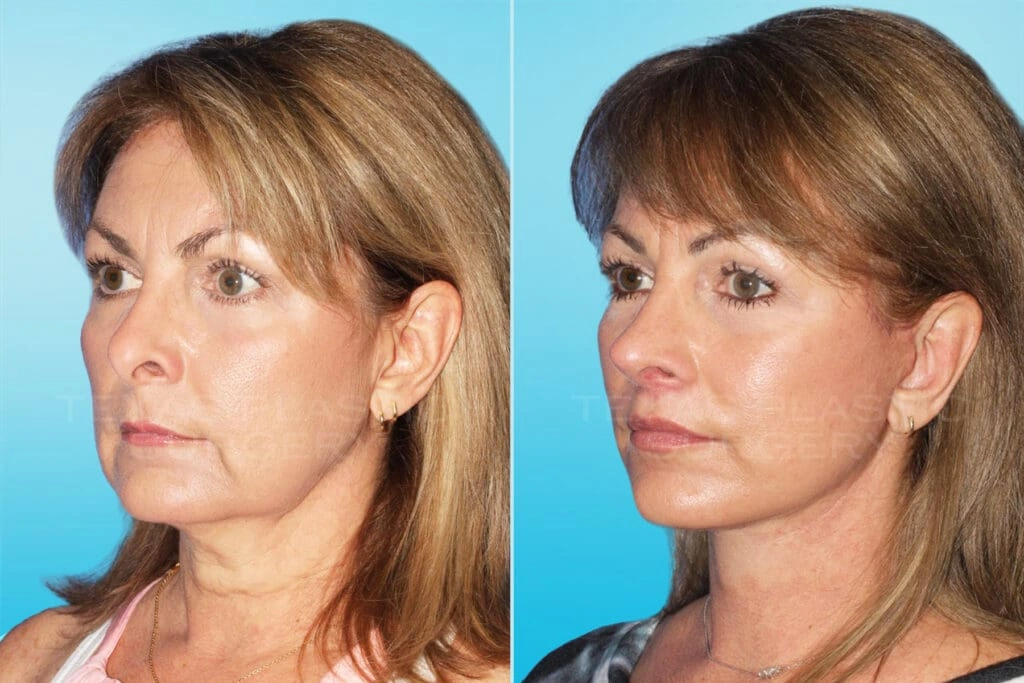
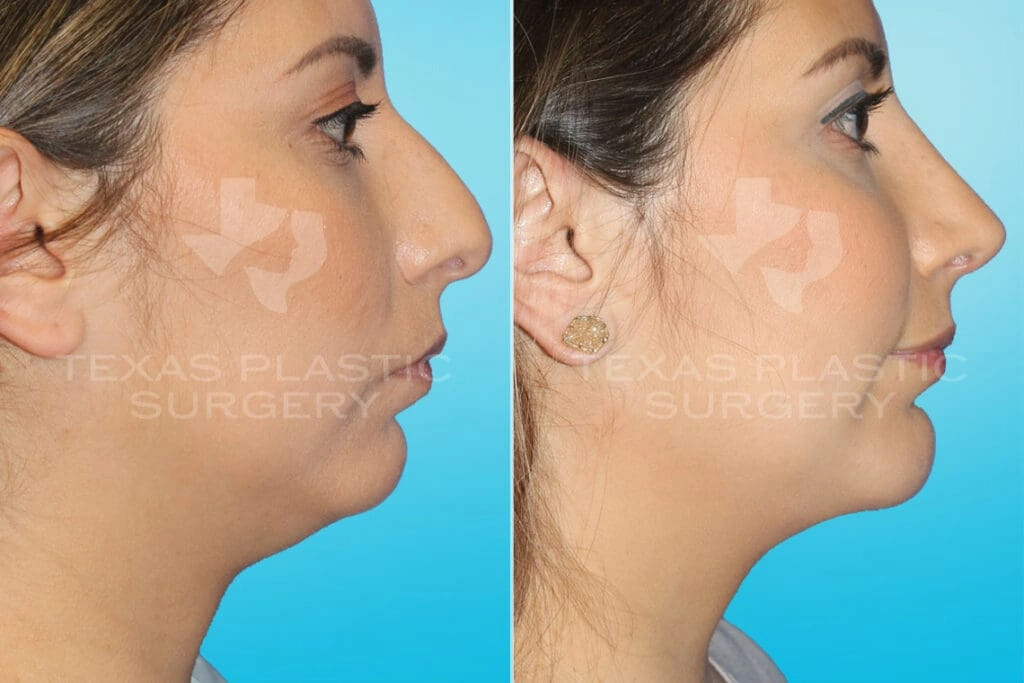
View Before & Afters
Contact us Today

