Recovery is one of the most common concerns patients have before rhinoplasty surgery. While healing timelines vary from patient to patient, understanding the general recovery process can help patients feel more prepared and confident throughout healing.
Most swelling and bruising improve significantly during the first several weeks after surgery, but subtle refinement continues for months as the nose gradually settles into its final shape.
No two rhinoplasty recoveries are identical. Healing depends on several factors, including your nasal anatomy, whether the procedure was cosmetic, functional, or both, and how your body responds to surgery. Skin thickness, surgical technique, and adherence to post-operative instructions all play important roles in how quickly swelling resolves and results become visible.
That said, most patients follow a similar pattern of healing. Knowing what’s normal at each stage can help you feel reassured and confident throughout the process. Rhinoplasty recovery isn’t just about physical healing, it’s about peace of mind. Patients often worry about:
Knowing what’s normal helps reduce anxiety and allows you to plan your schedule, travel, and activities with confidence.
Right after surgery, your body begins the healing process. You’ll leave surgery with a protective nasal splint in place, which helps stabilize the new nasal structure during the earliest and most critical healing phase. During the first 24- 48 hours, swelling and congestion are expected.
What to expect:
Most patients manage discomfort well with prescribed medication and rest. Keeping your head elevated and using cold compresses helps reduce swelling early on.
The first week after rhinoplasty is often the most emotionally challenging because visible signs of surgery are at their peak. Swelling around the nose and eyes is most pronounced, and bruising may appear dark before it begins to fade. Patients are encouraged to take time off work and social activities during this period.
Week two is often when patients start to feel more like themselves again. At this stage:
While the nose is still healing internally, patients often report a big boost in confidence during this stage.
By weeks three and four, recovery enters a quieter phase. Changes are more gradual, but healing continues steadily beneath the surface. Swelling along the nasal bridge continues to decrease, while the nasal tip may remain slightly firm or numb. Breathing usually improves as internal swelling subsides. Patients may resume light exercise, though strenuous activity and contact sports should still be avoided. This phase is ideal for patients who scheduled surgery in early spring, as they can begin feeling confident well before summer.
Around the two- to three-month mark, many patients feel truly excited about their rhinoplasty results.
For those planning spring procedures, this is often when they feel confident attending social events, vacations, and outdoor activities.
While the nose may look “ready” by month three, full healing takes up to a year. Rhinoplasty healing continues long after visible swelling has resolved. Over the next several months, the nasal tissues soften, definition improves, and final contours emerge. Patients with thicker skin may notice changes more gradually, especially at the nasal tip. Patience is key! Subtle improvements continue well beyond what most patients realize.
Common Symptoms
When To Contact Your Surgeon
Patients should contact the office if they experience:
San Antonio patients recovering during warmer Texas months should remain mindful of hydration, sun exposure, and swelling management during outdoor activities. Following post-operative instructions carefully can help support a smoother recovery and more comfortable healing process.
If you’re considering rhinoplasty and want to feel prepared for summer, early planning is key. A consultation allows your surgeon to evaluate your goals, explain the recovery process in detail, and create a personalized surgical timeline that aligns with your lifestyle.
Understanding the recovery process is often the first step toward feeling confident about surgery and taking that step sooner gives you peace of mind. Contact us today to schedule a consultation with Dr. Stallworth at Texas Plastic Surgery.
Q1: How long does rhinoplasty recovery take?
Most patients feel comfortable returning to work and social activities within two weeks, though full healing takes up to a year. The first week involves the most visible swelling and bruising. By month two or three, your nose will look natural and refined to most people. The final 10-20% of swelling, especially at the nasal tip, continues to resolve gradually over the following months.
Q2: When will swelling go down after rhinoplasty?
Swelling follows a predictable pattern. The first 48 hours are the peak, with noticeable improvement by the end of week one when your splint comes off. By week two, most visible bruising has faded. Around 70-80% of swelling resolves within the first three to four months, but the nasal tip can take up to a full year to reach its final shape.
Q3: When can I return to work after rhinoplasty?
Most patients return to desk jobs or school within one to two weeks, once the splint is removed and bruising has faded enough to feel comfortable in public. Jobs that require physical activity or heavy lifting may need three to four weeks off. Dr. Stallworth provides personalized guidance based on your specific procedure and work demands.
Q4: When can I exercise after rhinoplasty?
Light walking is encouraged within the first week to promote circulation. Most patients can resume light exercise around week three or four, but strenuous activity, heavy lifting, and contact sports should wait until you’re cleared by Dr. Stallworth, typically around six weeks or longer. Raising your heart rate too soon can increase swelling and delay healing.
Q5: Why does the nasal tip take longer to heal?
The nasal tip has thicker skin and more soft tissue than the bridge, which means it holds onto swelling longer. Gravity also plays a role, as fluid naturally settles toward the lower part of the nose. Patients with thicker skin may notice tip refinement continuing for several months after the bridge looks fully healed.
Q6: Does San Antonio’s climate affect rhinoplasty recovery?
Yes. San Antonio’s heat and humidity can increase blood flow to healing tissues, which may prolong swelling during warmer months. Year-round allergens can also trigger inflammation. Many patients schedule rhinoplasty in late winter or early spring to recover in cooler temperatures and feel confident by summer.
Q7: What helps reduce swelling after rhinoplasty?
Keeping your head elevated, even while sleeping, is one of the most effective ways to reduce swelling. Cold compresses applied to the cheeks and forehead (not directly on the nose) help during the first 48 hours. Staying hydrated, avoiding salty foods, and following Dr. Stallworth’s aftercare instructions also support faster healing.
Q8: Will my nose look “done” during recovery?
In the first week or two, your nose will look swollen and your eyes may show bruising. By week two to three, most patients feel comfortable in public without anyone noticing they had surgery. By month two or three, most friends and family won’t be able to tell you had rhinoplasty at all — they’ll just notice you look refreshed.
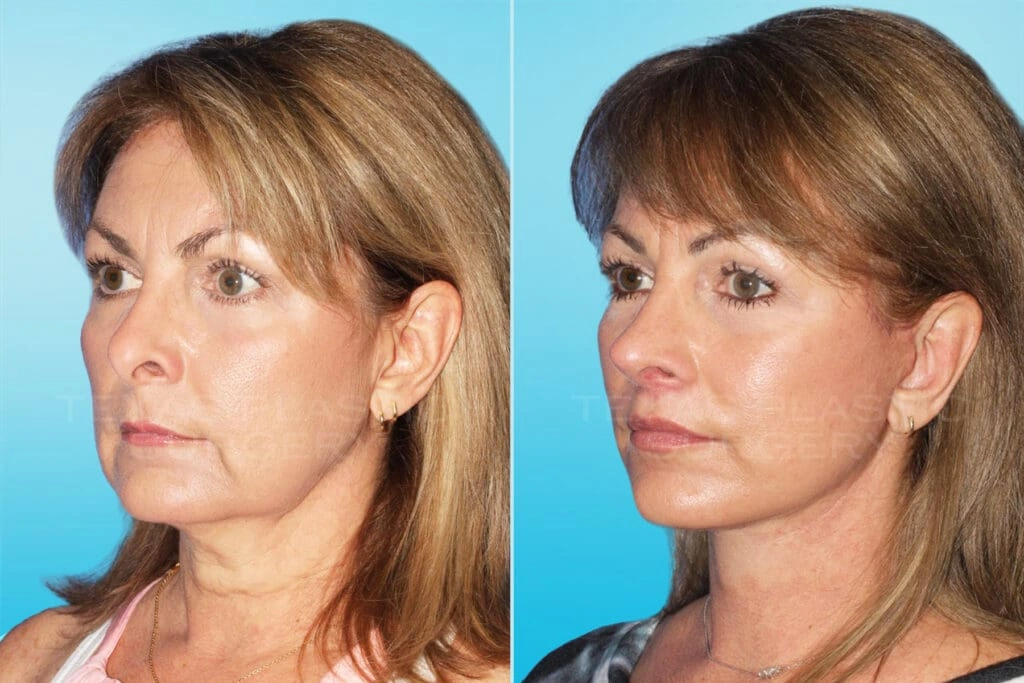
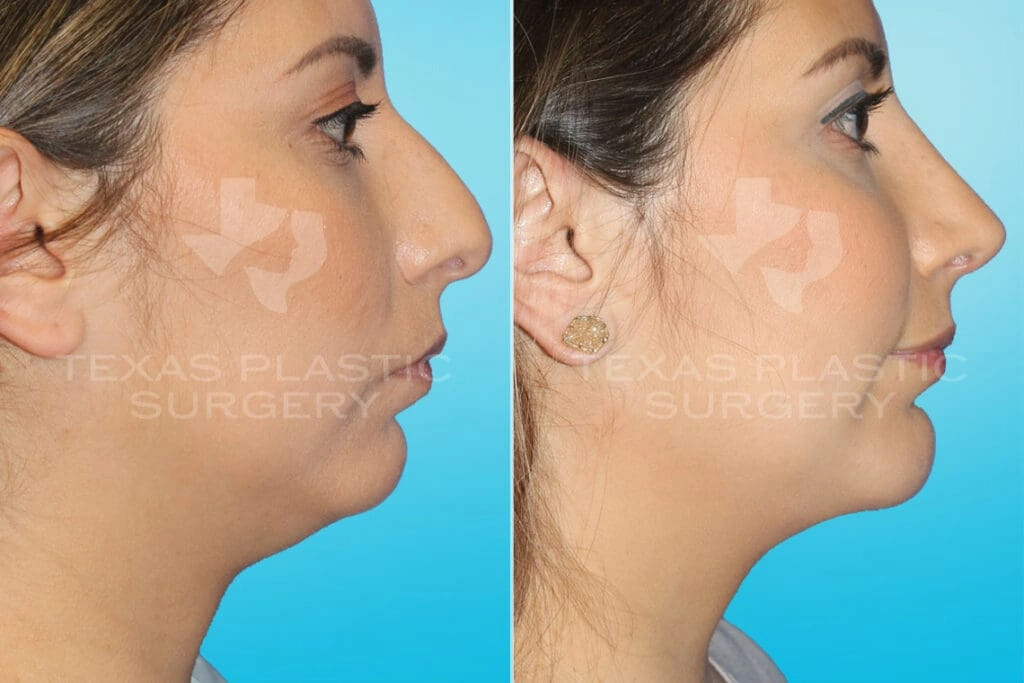
View Before & Afters
Contact us Today

