The decision to undergo rhinoplasty is a significant one, and proper recovery is essential for achieving optimal results. For San Antonio residents, our unique climate presents specific challenges and considerations during the healing process—particularly when it comes to managing swelling.
Our South Texas environment combines several factors that can impact rhinoplasty healing:
Dr. Stallworth states that “Understanding how our local climate affects rhinoplasty recovery allows us to develop targeted strategies for our San Antonio patients. With the right approach, you can minimize swelling and optimize your healing process even during our challenging summer months.”
At Texas Plastic Surgery, we recommend a customized follow-up schedule for San Antonio patients that accounts for our climate’s impact on healing. These strategic check-ins allow for timely interventions if swelling isn’t resolving as expected.
Non climate specific tips include
Schedule your rhinoplasty consultation today! Not only will we guide you through the entire surgery process, but we’ll ensure your recovery is optimally for San Antonio’s unique climate conditions.
1. How long does swelling last after rhinoplasty in San Antonio?
Swelling after rhinoplasty typically lasts several weeks, but in San Antonio’s warm climate, it may take slightly longer to subside. Most major swelling resolves within 2-3 weeks, with residual swelling continuing for several months. Recovery protocols tailored to San Antonio’s conditions—like climate control and hydration—can significantly reduce healing time.
2. What helps reduce rhinoplasty swelling in Texas heat?
To minimize swelling in San Antonio’s hot and humid environment, use gel-based cold compresses, stay indoors during peak heat, and maintain a cool home environment (68-72°F). Proper hydration and reduced salt intake also help combat fluid retention caused by local weather conditions.
3. Is winter the best time for rhinoplasty in San Antonio?Yes, winter (December through February) is ideal for rhinoplasty in San Antonio due to cooler temperatures and lower humidity, which help reduce post-surgical swelling. Allergy-prone patients may also benefit by avoiding peak allergy seasons to prevent added inflammation.
4. Can San Antonio allergies make rhinoplasty swelling worse?
Absolutely. San Antonio’s year-round allergens can worsen nasal inflammation during recovery. Patients with known sensitivities should schedule their procedure during their least reactive seasons and follow a tailored post-op care plan to minimize swelling and discomfort.
5. Why choose a San Antonio surgeon for rhinoplasty?
Choosing a local San Antonio rhinoplasty specialist ensures your surgeon understands how South Texas weather and environmental factors impact recovery. Local experts can create a climate-adapted healing plan and provide personalized follow-ups to manage swelling effectively.
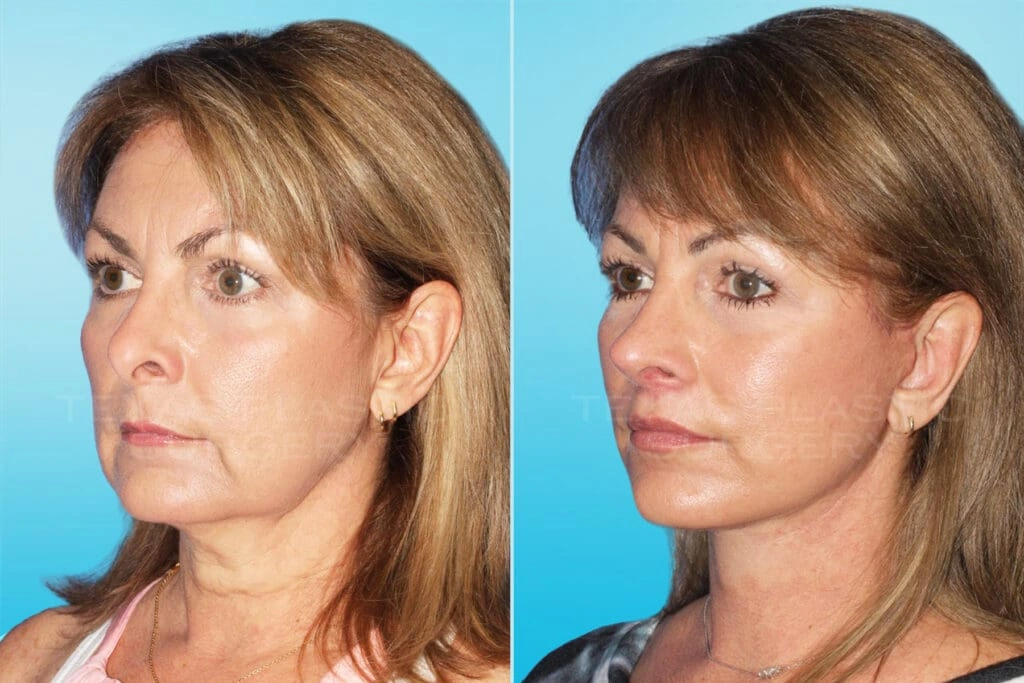
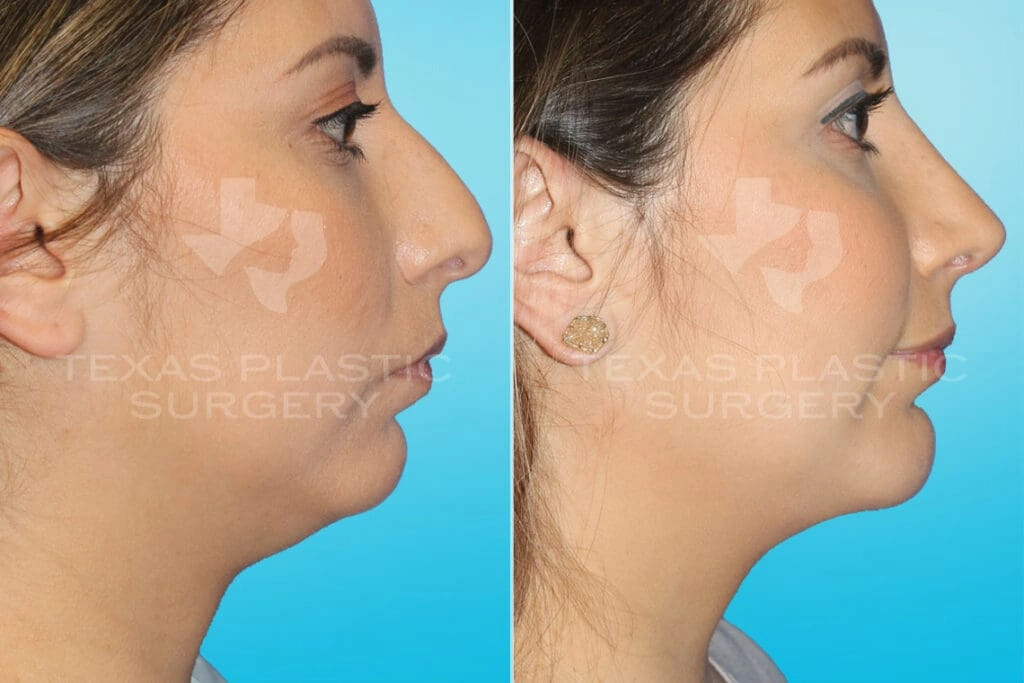
View Before & Afters
Contact us Today

