If you’ve started researching eyelid surgery recovery, you’re already being smart. Most patients who struggle during recovery are the ones who didn’t quite know what was coming, not because it was so difficult, but because the unknown made everything feel more alarming than it needed to be.
That uncertainty is completely normal. And it’s also completely addressable. This guide walks you through eyelid surgery recovery stage by stage: from the first hours after you wake up from anesthesia to the three-month mark when your final results have fully settled. We’ve also included specific tips for patients in San Antonio, because our climate, allergy seasons, and sun exposure add a layer of planning.
If you’re considering blepharoplasty in San Antonio, this is the resource we wish every patient had before their procedure.
The first three days after eyelid surgery are when your body’s inflammatory response is at its peak. This is completely normal, and understanding it ahead of time makes it far less alarming when you’re living through it.
What you’ll experience:
Your job in the first 24 hours is to rest and let your body start healing! Elevation matters more than most patients realize, keeping your head above your heart reduces blood pooling and makes a real difference in how much bruising and swelling you wake up with on day two.
What to call your surgeon about: severe pain that isn’t controlled by prescribed medication, vision changes beyond expected blurriness, fever, or anything that just doesn’t feel right.
By day four, most patients notice the swelling has peaked and begins slowly improving.
Typical milestones in the first week:
Activity guidelines for week one:
For most blepharoplasty patients, sutures come out between day seven and day ten. It’s a quick appointment, feels like mild tugging, and when it’s done, most people feel like a weight has been lifted.
After sutures are out, your surgeon will likely clear you for return to desk work or working from home (assuming residual bruising doesn’t bother you on video calls), as well as light outdoor activity in the early morning or evening.
You’ll still have visible bruising and swelling at this stage, that’s normal and expected. But most patients feel significantly more comfortable and are able to resume a more normal routine.
Still restricted until indicated:
Residual swelling, especially in the mornings, is still normal at this stage. Some patients also notice firmness or slight puffiness along the incision line. This is scar tissue in its early formation stage, and it resolves on its own with time.
Most surgeons will clear patients for light cardio such as walking, around the two-week mark as long as it doesn’t significantly elevate your heart rate or blood pressure. More intense exercise like running, cycling or weight training typically gets the green light between weeks three and four depending on how your healing is progressing.
By weeks three to four, most patients can also return to wearing contact lenses and, in most cases, begin using eye makeup again once the surgeon confirms the incisions are fully closed. Make sure to continue avoiding extended sun exposure on the incision areas since UV exposure during early scar formation can cause pigmentation changes that are difficult to reverse, so sunglasses and shade are KEY.
This is when the last of the internal swelling has resolved, the scar tissue has matured significantly, and the true contour of the surgical outcome becomes visible.
What most patients experience at three months:
It’s worth noting that full scar maturation continues beyond three months, most surgeons consider the one-year mark the complete endpoint of healing. But for practical purposes, what you see at three months is a strong representation of your long-term outcome.
The heat issue is real.
San Antonio summers and much of spring, regularly push into the 90s and beyond. High ambient heat causes vasodilation, meaning your blood vessels expand. For a body that’s already managing post-surgical swelling, excess heat can make that swelling noticeably worse and prolong the bruising phase.
For the first five to seven days post-surgery, your goal is to stay inside in air conditioning as much as possible. Keep your home cool, avoid stepping outside during peak heat hours and if you must go out, do so early in the morning or after sunset.
The Allergy Problem
San Antonio sits in one of the most challenging allergy corridors in the country. Mountain cedar (Ashe juniper) pollen season runs from December through February, but oak pollen peaks in the spring, right in line with some of the most popular months for elective surgery.
Eye rubbing is one of the most damaging things you can do to fresh eyelid incisions. Even gentle rubbing can disrupt healing tissue, introduce bacteria, or pull at sutures before they’re ready to come out. When your eyes are itchy, the instinct to rub is almost involuntary.
If you’re prone to seasonal allergies, here’s what to plan for:
If you’ve been thinking about blepharoplasty and this guide has helped make recovery feel more approachable, the next step is a consultation.
At Texas Plastic Surgery, our team works with patients throughout San Antonio and the surrounding region to create natural, refreshed results that hold up beautifully over time. We’d love to talk with you about your goals, answer your questions, and help you build a plan that fits your life. Schedule your consultation today!
Q1: How long does eyelid surgery recovery actually take?
Most patients feel comfortable in public within 10 to 14 days, once the most visible bruising and swelling have faded. That said, full healing is a longer process. The incision lines continue maturing for up to a year, and the swelling that patients often don’t notice day-to-day keeps resolving through the three-month mark. What you see at three months is a strong preview of your long-term result.
Q2: When will the swelling go down after blepharoplasty?
Swelling peaks around 48 to 72 hours after surgery, then gradually improves from there. By the end of the first week, most patients see a noticeable difference. Residual puffiness, especially in the mornings, is normal through weeks two to four. At the three-month mark, the last of the internal swelling has resolved and your results take their final shape.
Q3: When can I go back to work after eyelid surgery?
It depends on your job. Most patients working from home or at a desk feel ready around day seven to ten, after sutures come out and discomfort settles down. If your work involves video calls and you’re not comfortable with visible bruising, give it a few more days. Physical jobs that involve bending, lifting, or heavy exertion typically require three to four weeks before returning.
Q4: How do I manage swelling after eyelid surgery in San Antonio’s heat?
Heat causes blood vessels to expand, which makes post-surgical swelling worse. For the first five to seven days, staying inside in air conditioning as much as possible makes a real difference. If you need to go outside, aim for early morning or after sunset when temperatures are lower. Keeping your head elevated, even while resting on the couch, also helps reduce fluid pooling around the eyes.
Q5: Can San Antonio allergies affect my eyelid surgery recovery?
Yes, and it’s worth planning for. San Antonio’s allergy seasons (mountain cedar in winter, oak pollen in spring) can make eyes itchy during recovery. Rubbing your eyes is one of the most disruptive things you can do to healing incisions. Talk to Dr. Stallworth before your procedure about antihistamines that are safe to take in the early recovery window. Changing your HVAC filter before surgery is a simple step that helps keep indoor air cleaner throughout healing.
Q6: When can I wear makeup after eyelid surgery?
Eye makeup is typically cleared once sutures are out and your surgeon confirms the incisions are fully closed, which usually falls around the two-week mark. Most surgeons recommend starting with clean, hypoallergenic products. Ask at your follow-up appointment rather than guessing at timing, since every patient heals at a slightly different pace.
Q7: When can I wear contact lenses after blepharoplasty?
Contact lenses are generally restricted for two to three weeks after surgery. Your eyes may feel drier and more sensitive than usual during early recovery, which makes glasses a more comfortable choice anyway. Your surgeon will confirm when it’s safe to resume lenses based on how your healing is progressing at your follow-up visit.
Q8: What does the scar look like after eyelid surgery?
For most patients, the incision is placed inside the natural crease of the upper eyelid or along the lash line, so it sits in a location that’s naturally concealed. By the three-month mark, the scar has faded significantly and is typically well-hidden. Full scar maturation continues through the one-year mark. Sun protection during the first several months after surgery is one of the most important things you can do to prevent pigmentation changes that can make scars more visible.
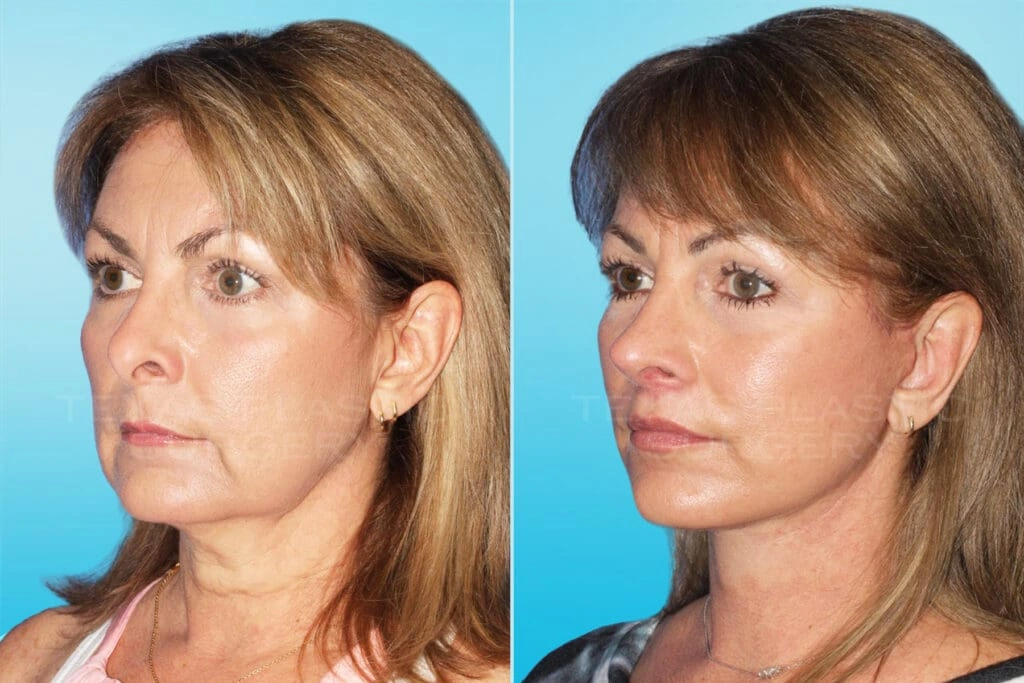
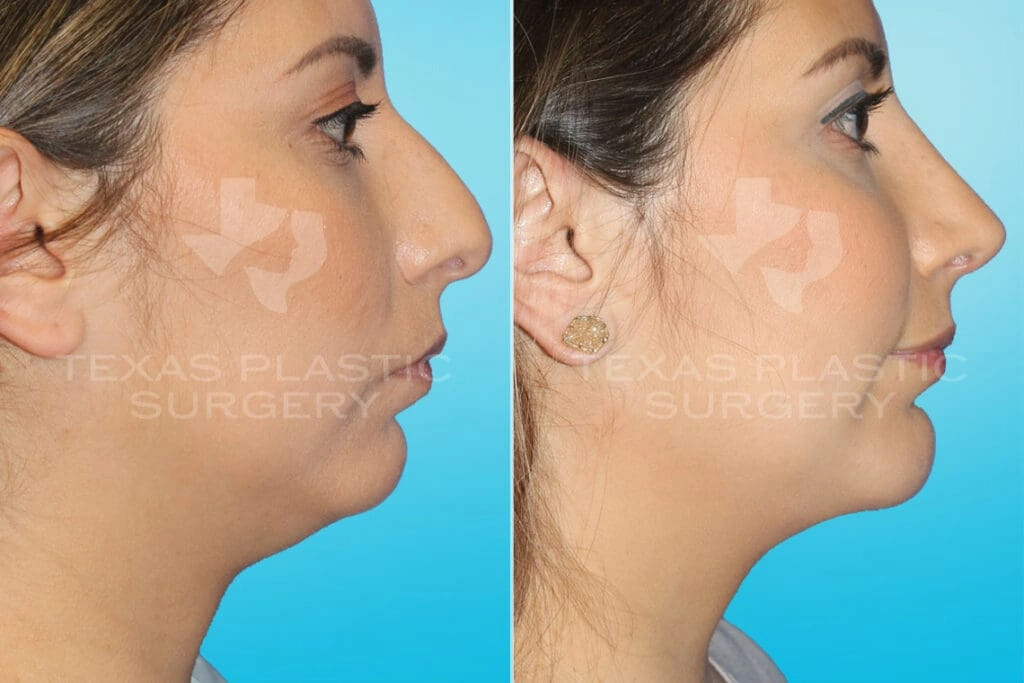
View Before & Afters
Contact us Today

